Prof. Dr. Rukman Hertadi, S.Si., M.Si.
Professor of Physical Biochemistry - Bandung Institute of Technology
Exploring Biomolecular Innovation from Indonesian Extremophilic Bacteria

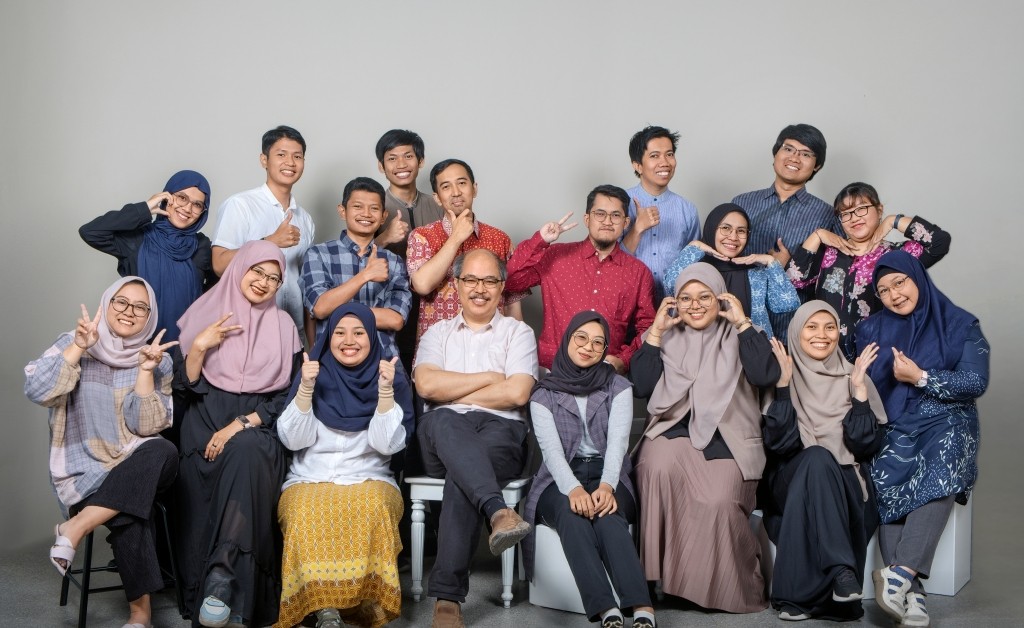
Research Group Member Gen 24
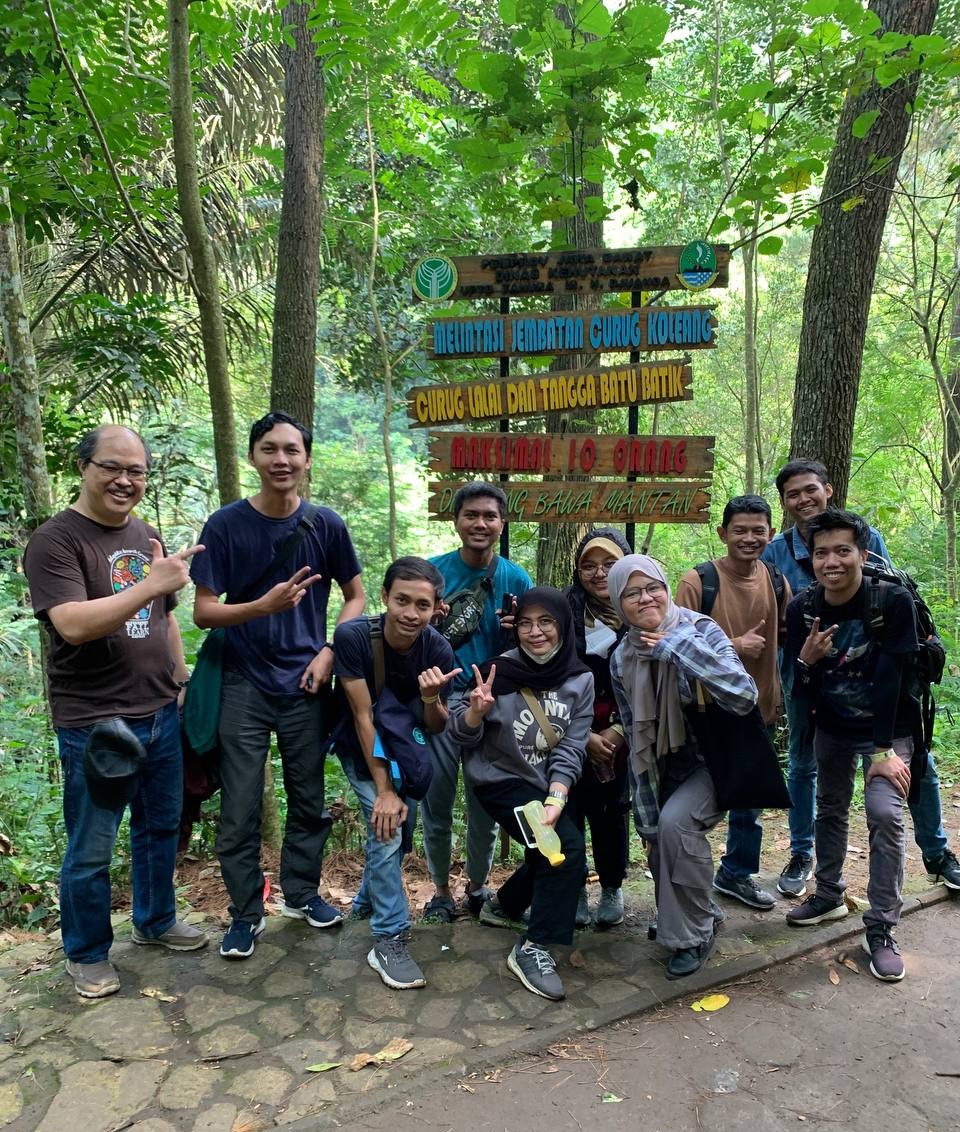
Research Group Outing: Tahura Forest Trekking Edition
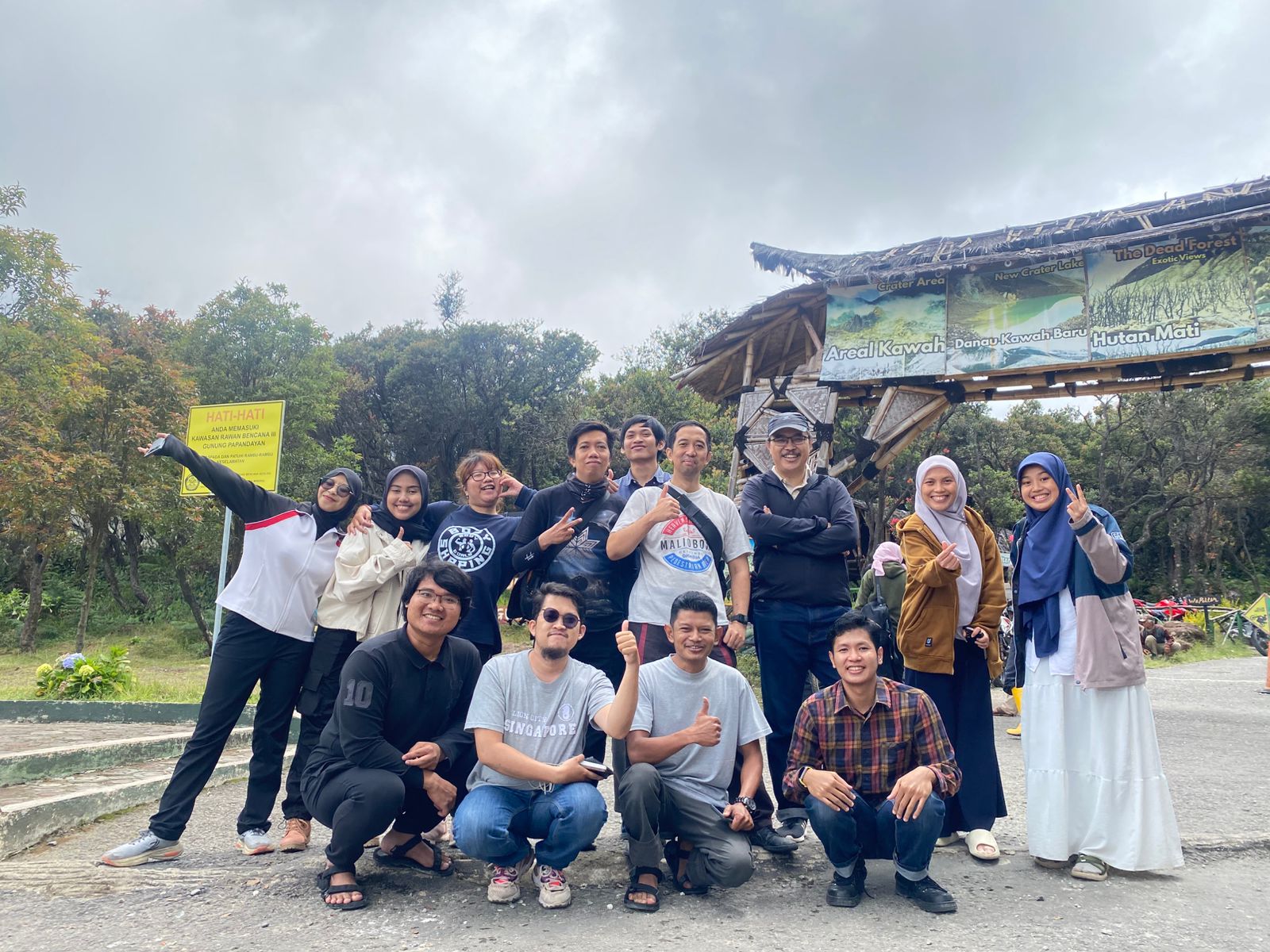
Research Group Outing: Papandayan Climbing Edition
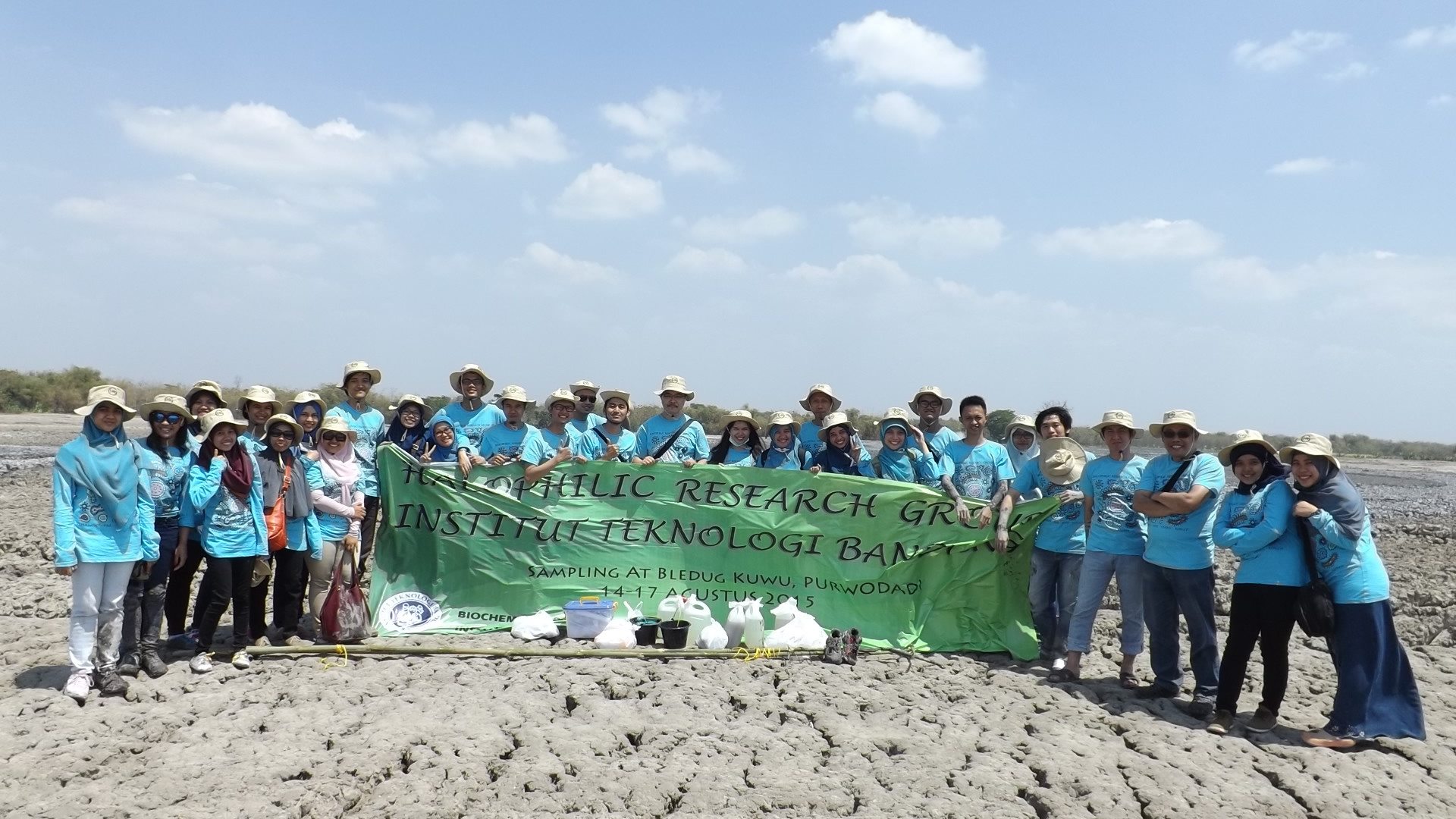
From Field to Lab: Our Research Team Exploring Halophilic Bacteria at Bledug Kuwu
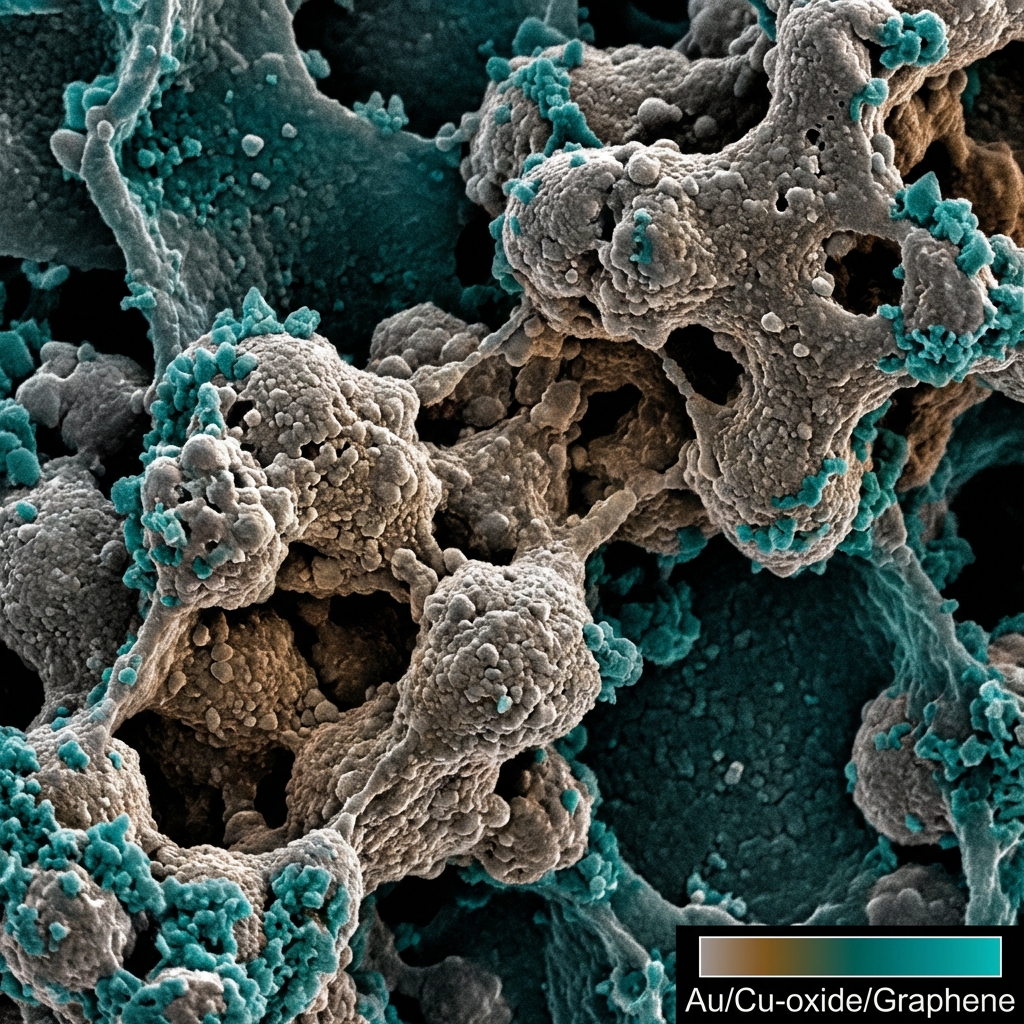
Nanomaterial Surface Analysis
Next-Gen DNA Sequencing

Pharmaceutical Automation
Our research group is dedicated to advancing molecular-level understanding and translational innovation in biomaterials, biophysics, and sustainable biotechnology.
We aim to integrate physical biochemistry, microbial systems, and nanotechnology to develop functional biomaterials, green bioproducts, and bio-inspired technologies that address challenges in health, energy, and the circular bioeconomy. Through fundamental science, prototype development, and intellectual property generation, our vision is to bridge laboratory discoveries with real-world impact for a sustainable and resilient future.
Research Areas
Exploring four key pillars of physical biochemistry and biomolecular innovation from Indonesian extremophiles.
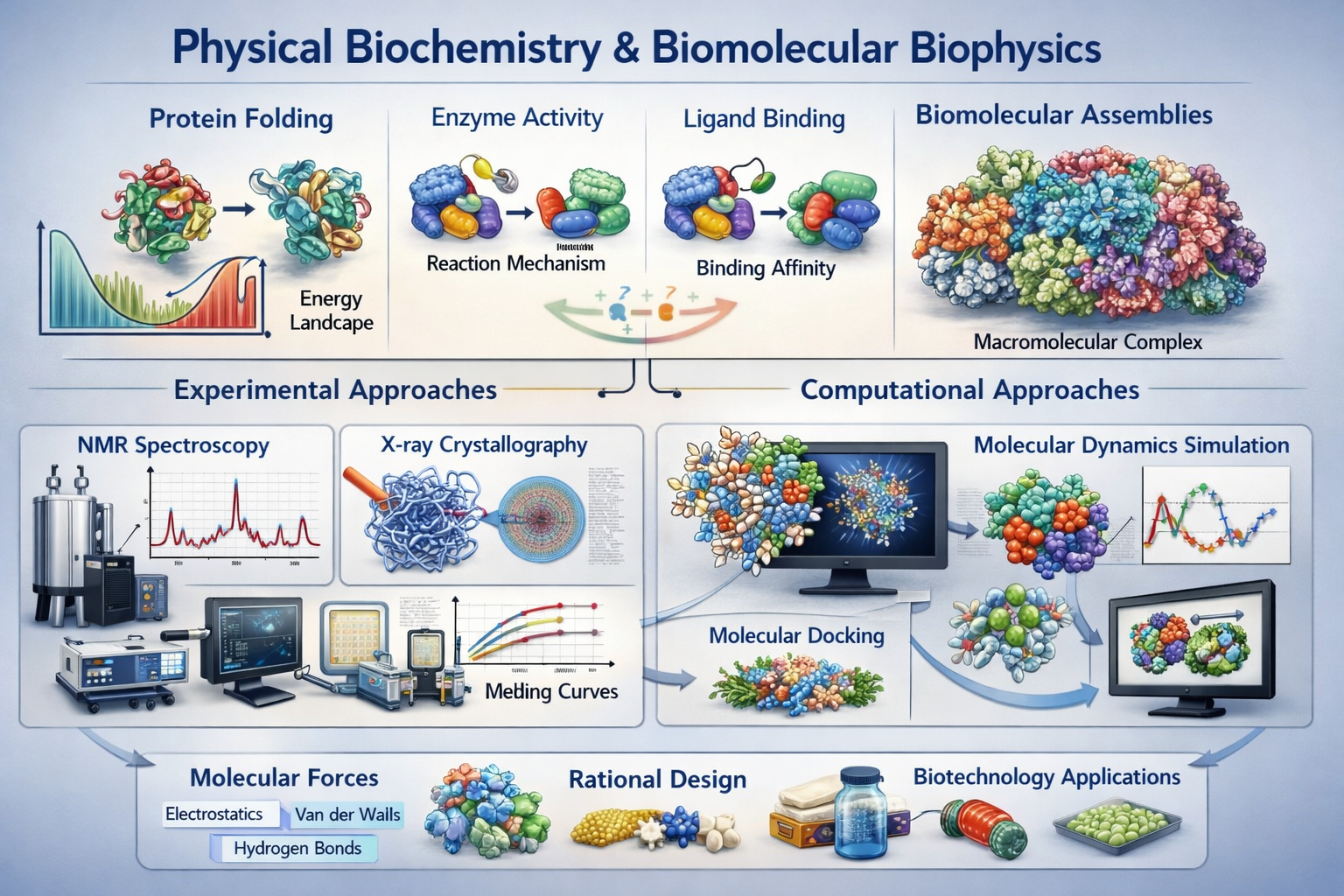
Physical Biochemistry and Biomolecular Biophysics
We investigate the structure, dynamics, stability, and interactions of biomolecules using experimental and computational approaches. Our work focuses on understanding how molecular forces govern protein folding, enzyme activity, ligand binding, and biomolecular assemblies, providing a rational basis for biomaterial and biotechnological design.
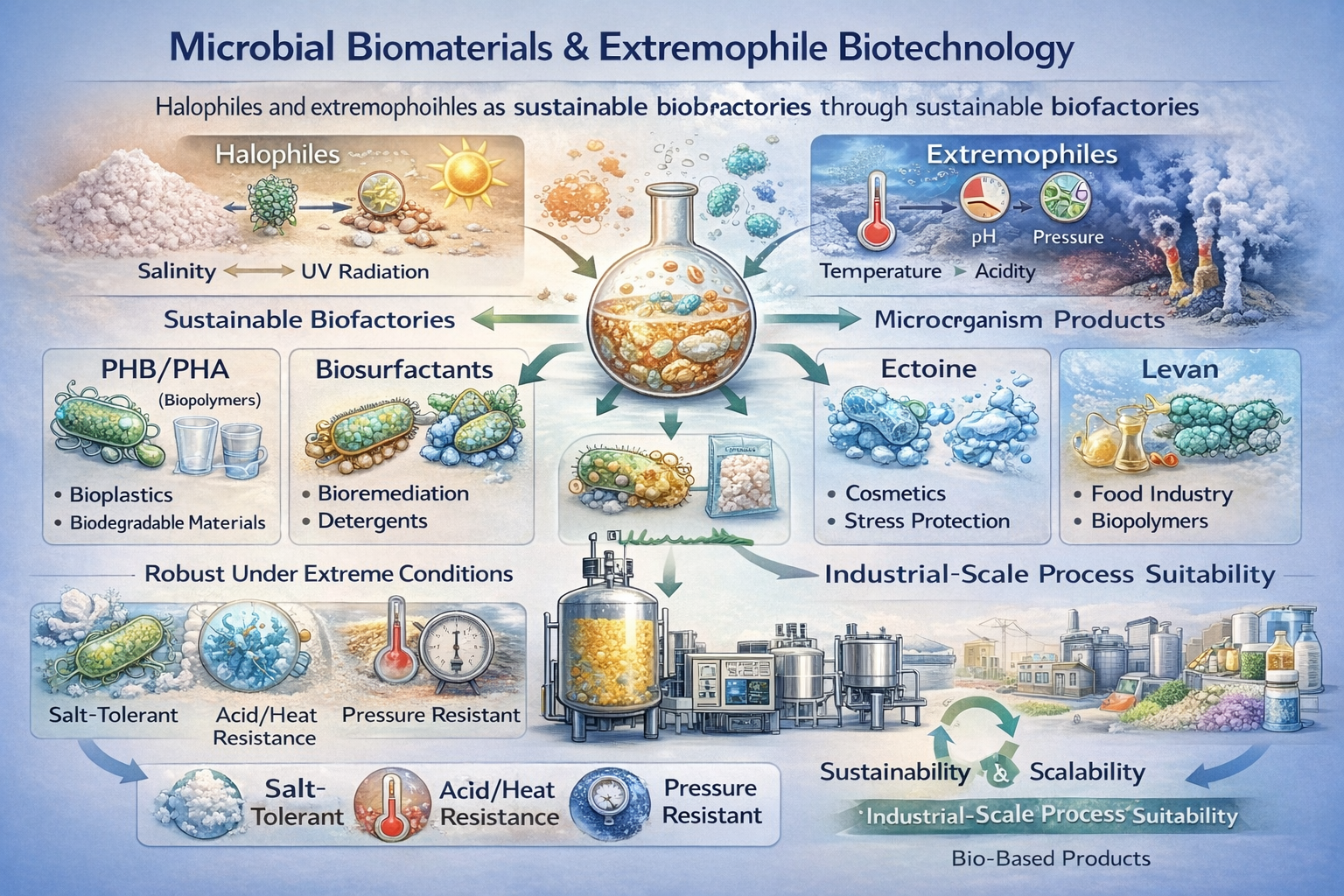
Microbial Biomaterials and Extremophile Biotechnology
A core research strength of the group lies in the exploration and engineering of halophilic and extremophilic microorganisms as sustainable biofactories. We study microbial production of biopolymers (PHB/PHA), biosurfactants, ectoine, levan, and inulin, emphasizing robustness under extreme conditions and suitability for industrial-scale processes.
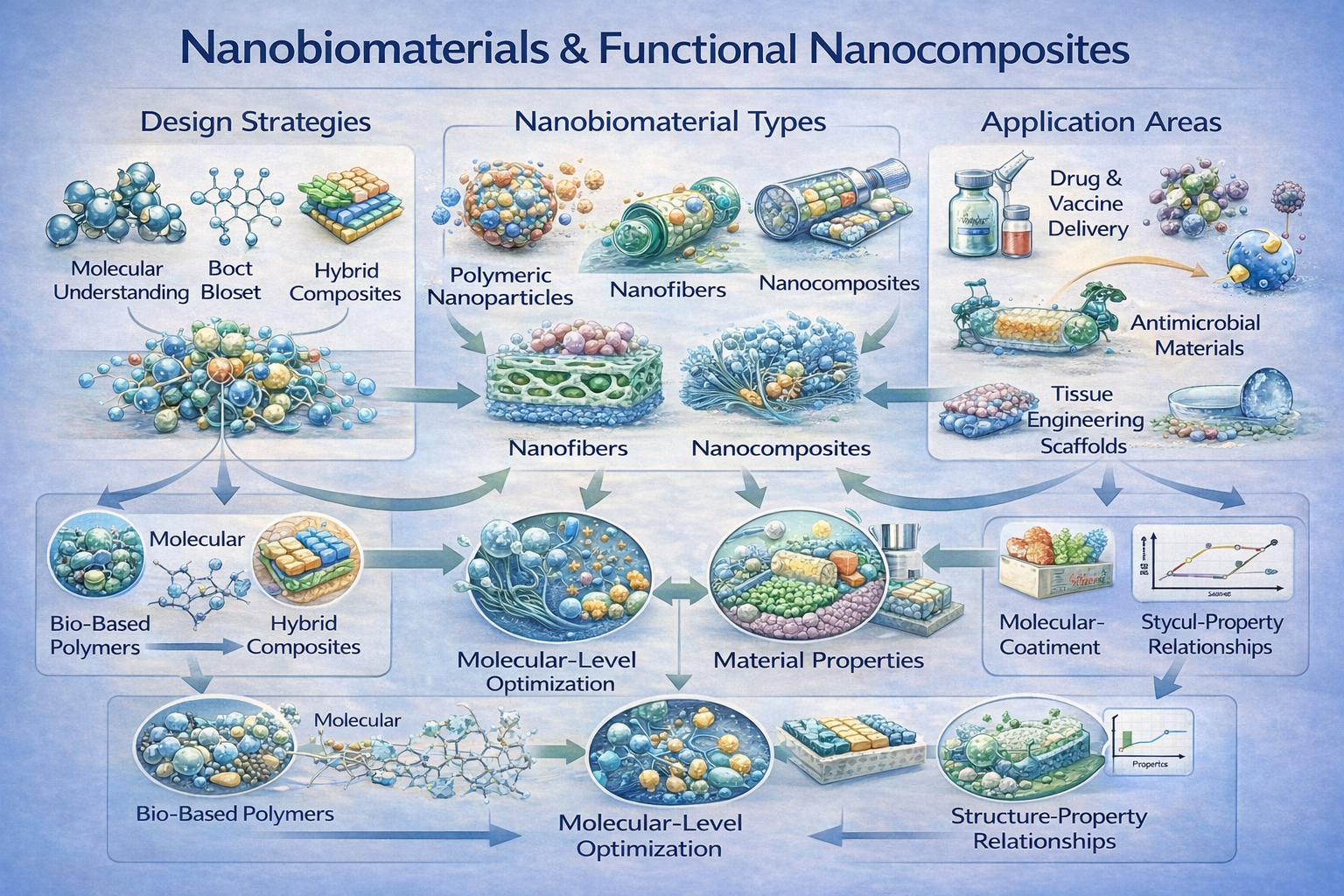
Nanobiomaterials and Functional Nanocomposites
We develop bio-based and hybrid nanomaterials, including polymeric nanoparticles, nanofibers, and nanocomposites, for applications in drug and vaccine delivery, antimicrobial materials, tissue engineering scaffolds, and protective coatings. Design strategies are guided by molecular-level understanding and structure-property relationships.
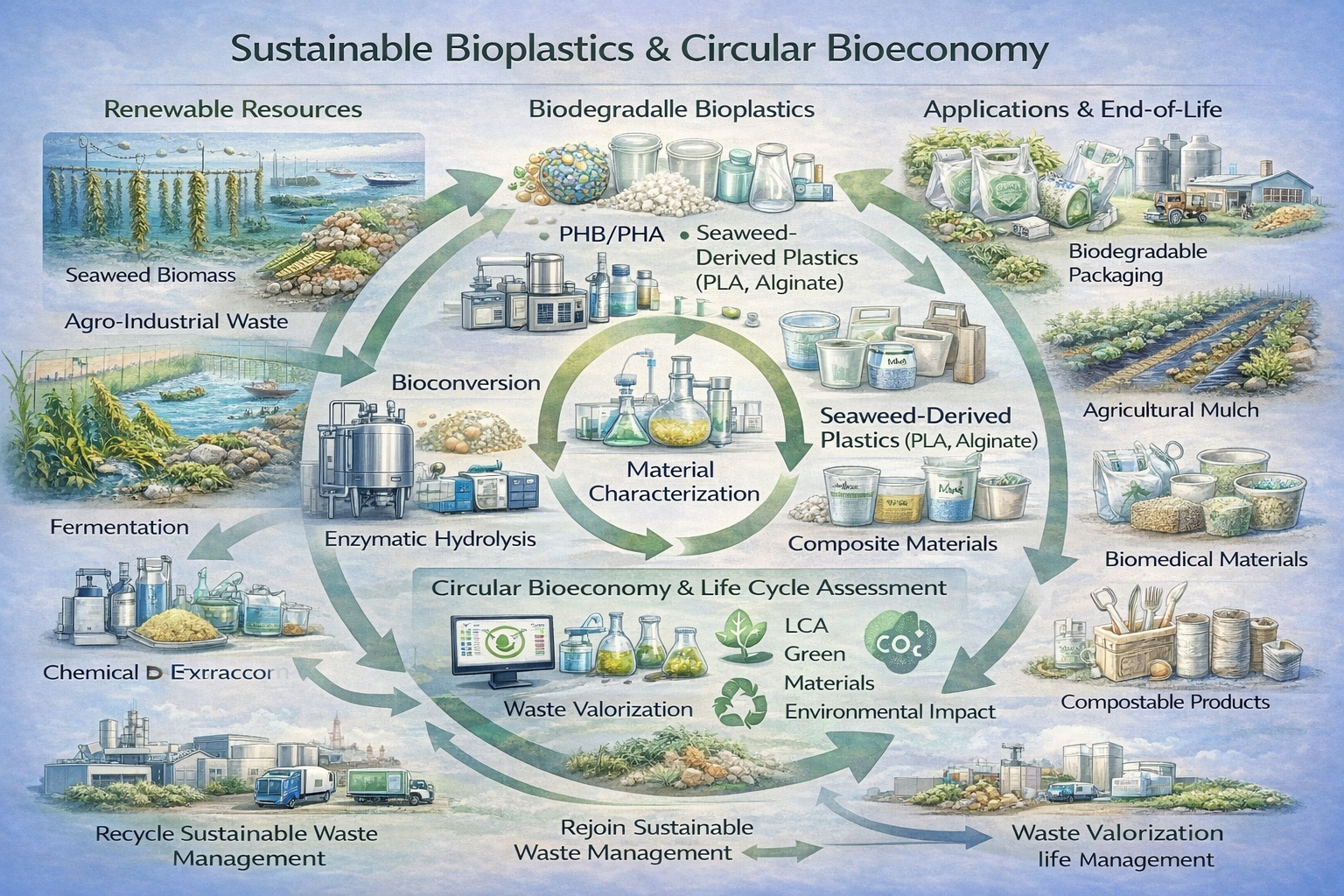
Sustainable Bioplastics and Circular Bioeconomy
Our research supports the transition toward a circular and blue bioeconomy through the development of biodegradable plastics and green materials derived from renewable resources, particularly seaweed and agro-industrial waste streams. We integrate bioconversion, material characterization, and life-cycle considerations to enable environmentally responsible alternatives to conventional plastics.